
Tree Sale Date & Time: Wednesday, March 25, 2026, at 12:00 p.m. (noon)
Cost: $25.00
Important details:
· Online sale only
· 250 trees available
· One tree per household
· First-come, first-served
· Loyalist Township property owners only
Register with Health Care Connect
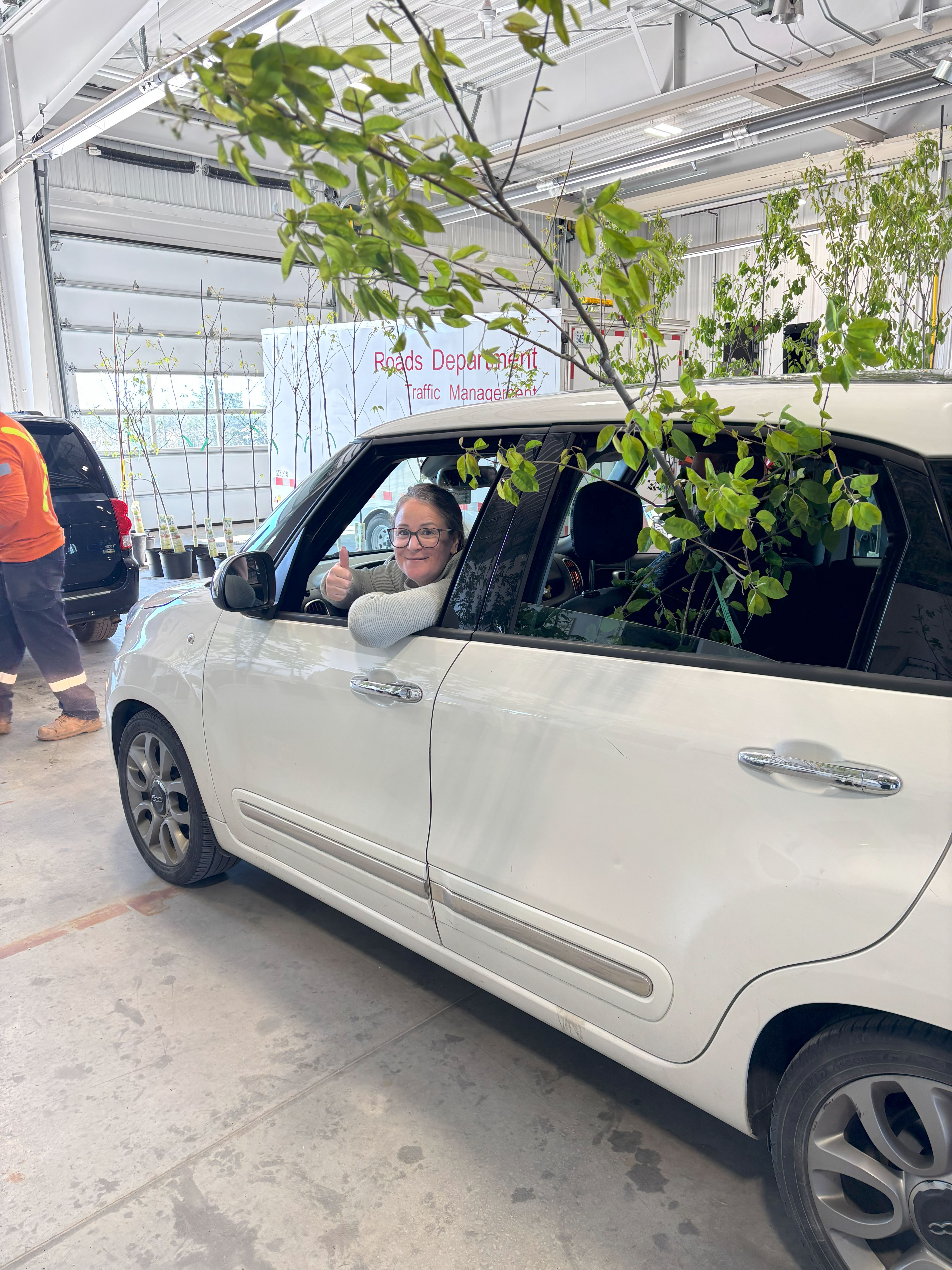
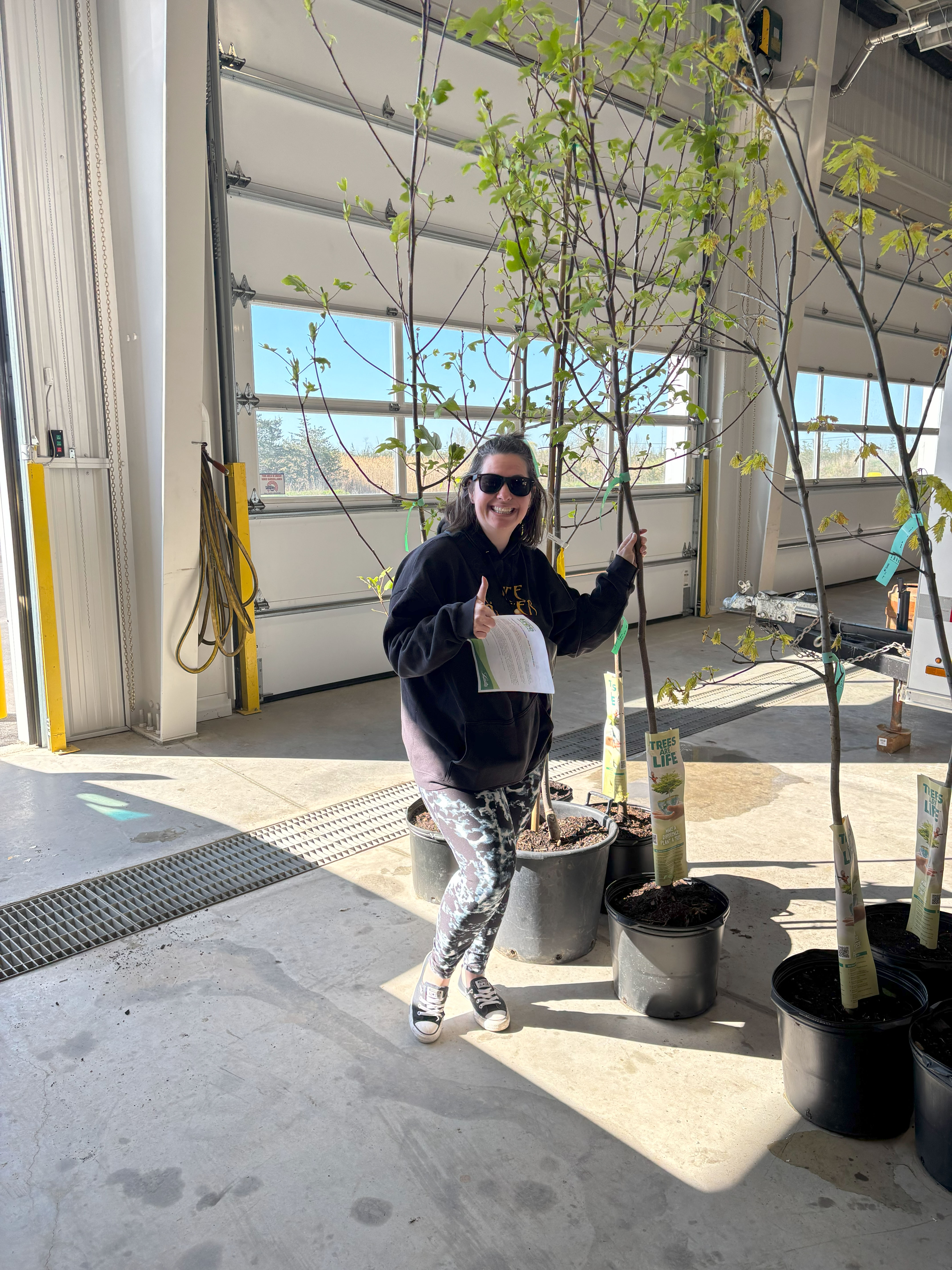
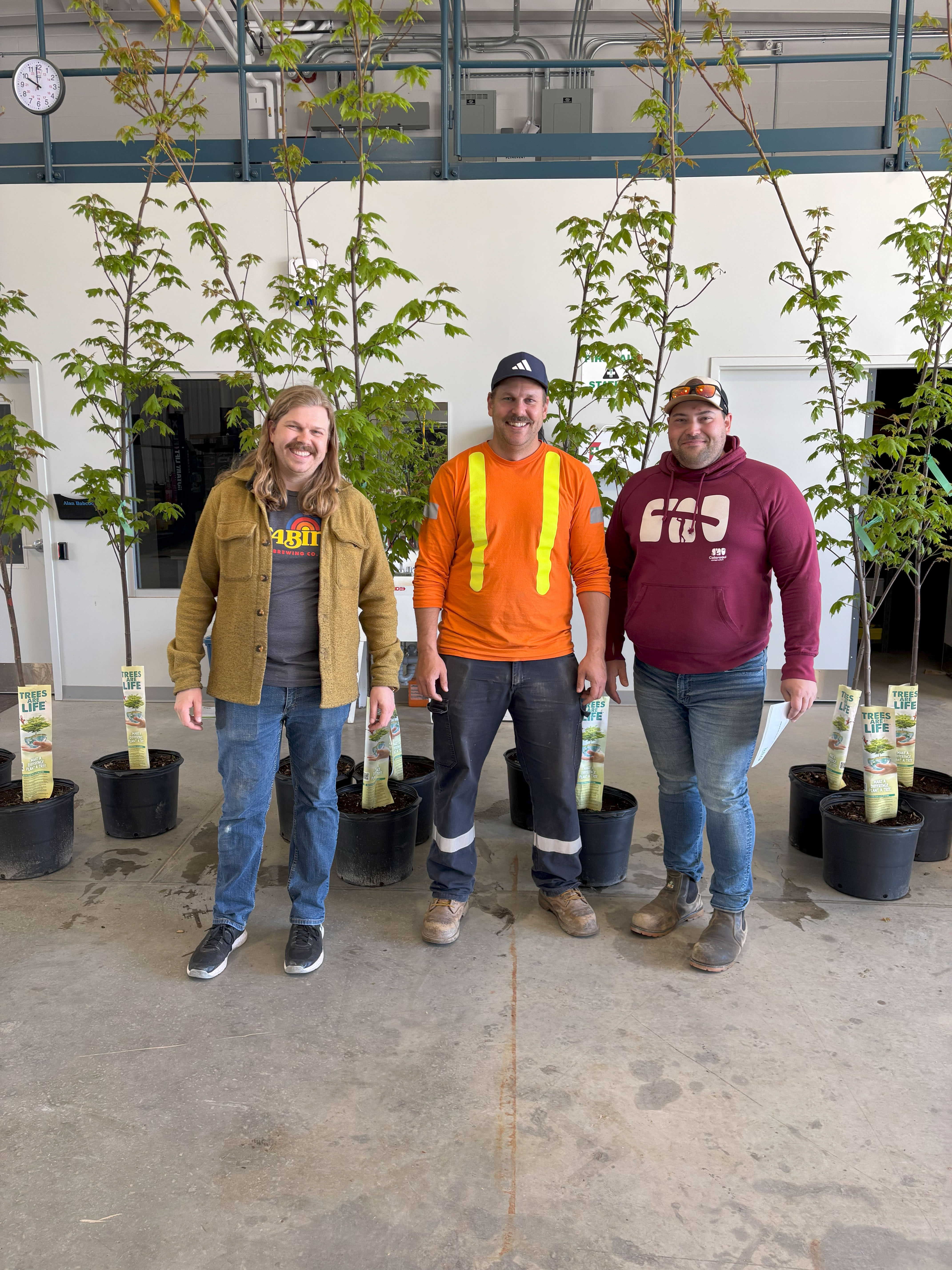
Loyalist Township is proud to bring back the Community Tree Initiative for Spring 2026, expanding the program to 250 trees in response to strong community demand. This initiative offers Loyalist Township property owners the opportunity to purchase a native tree at a significantly reduced cost, helping grow our local tree canopy while supporting climate action, biodiversity, and neighbourhood resilience.
Sale is now closed!
Community Tree Sale
All 250 trees have officially sold out! Thank you to everyone who purchased a tree—we truly appreciate your support. Loyalist Township staff will be in touch via the email provided at the time of purchase with details about Community Tree pickup.
If you were unable to secure a tree this year, we encourage you to sign up for our email list to be the first to hear about future tree sales!
Tree Species Available
Residents will be able to choose from five native tree species, selected to support biodiversity, long-term growth, and local conditions. Species profiles and planting guidance will be provided to all participants.
The Freeman maple (Acer × freemanii) is a hybrid between red maple (Acer rubrum) and silver maple (Acer saccharinum), combining the vibrant red fall color of the former with the hardiness and rapid growth of the latter. Reaching heights of 15 to 25 meters, its form varies from upright to broad oval, depending on the variety. This medium to fast-growing tree is well-suited for urban environments due to its tolerance of high pH soils, reducing the risk of iron chlorosis.
Size and Shape: Grows between 15 to 25 meters tall with a form that varies from upright to broad oval, depending on the cultivar.
Growth Rate: Medium to fast-growing, with some cultivars growing more rapidly than others.
Foliage & Fall Color: Opposite, simple, lobed leaves; known for outstanding red fall color, varying by cultivar.
Bark: Similar to both parent species; varies with age but generally develops ridged or scaly bark.
Flowers & Seeds: Green to red flowers in early spring; seedless cultivars are available.
Growing Conditions: Tolerates occasional wet to dry soils, adapts well to urban settings, and is more resistant to iron chlorosis than red maple.
Urban Suitability & Considerations: More suitable for urban environments but requires proper pruning to avoid structural weakness from rapid growth.
Fun Fact: As a hybrid of red and silver maple, the Freeman maple combines the vibrant red fall color of the red maple with the fast growth and adaptability of the silver maple, making it one of the best choices for urban planting.
Freeman maple may be the best tree for urban settings - Landscape Ontario
Serviceberries (Amelanchier spp.), also known as juneberry or shadbush, are versatile, multi-trunked trees native to Ontario, reaching up to 12 meters in height. They feature smooth grey bark and oval or round leaves with fine-toothed edges. In spring, clusters of white flowers bloom, giving way to small red berries that ripen from early to mid-summer. Adaptable to various soil types, serviceberries thrive in moist to dry conditions and prefer partial shade to full sun. Their edible fruits are enjoyed by both wildlife and humans, making them excellent choices for landscaping and culinary uses. Notably, their fibrous root systems facilitate easy transplantation.
Size and Shape: Grows up to 12 meters tall, often with multiple trunks.
Growth Rate: Moderate growth rate, adaptable to various conditions.
Foliage & Fall Color: Oval or round leaves (less than 8 cm long) with fine-toothed edges; displays vibrant fall colors.
Bark: Smooth grey bark that adds winter interest.
Flowers & Fruit: Clusters of white flowers bloom in spring; small red berries ripen from early to mid-summer.
Growing Conditions: Tolerates a range of soils except waterlogged sites; thrives in moist to dry conditions with partial shade to full sun.
Urban Suitability & Considerations: Well-suited for landscaping due to its attractive flowers, edible berries, and vibrant fall color; its fibrous root system makes it easy to transplant.
Fun Fact: Its edible fruits can be used in baking, jams, and even wine, and they are a favorite for birds and small mammals.
The tulip tree (Liriodendron tulipifera), also known as tulip poplar or tulip magnolia, is a large, fast-growing deciduous tree native to select regions of Southern Ontario, including the south shore of Lake Huron, the north shore of Lake Erie, and the Niagara Peninsula. Reaching heights of 25 to 35 meters, it features distinctive light green leaves that turn yellow in the fall and unique tulip-shaped yellow-green and orange flowers that bloom in spring. Thriving in deep, rich, moist soils with full sun exposure, the tulip tree's wood is commercially valuable for furniture, veneer, caskets, and pulp. Notably, these trees begin flowering after 15 years and, under ideal conditions, can be long-lived.
Size and Shape: Reaches 25 to 35 meters tall with a trunk diameter of 50 to 160 cm.
Growth Rate: Fast-growing, ideal for providing quick shade but requires ample space.
Foliage & Fall Color: Light green leaves (7 to 12 cm long) with four pointed lobes and a flat top; turns yellow in fall.
Bark: Smooth and dark green on young trees; develops brown, ridged bark as it matures.
Flowers & Fruit: Produces tulip-shaped yellow-green and orange flowers (5 cm long) in spring.
Growing Conditions: Requires deep, rich, moist sand or sandy loam. Thrives in full sun and requires ample moisture in summer.
Urban Suitability & Considerations: Has deep, wide-spreading roots, so it needs space to grow. Fast-growing but needs careful site selection to accommodate its size.
Fun Fact: Named for its tulip-like flowers, it begins blooming after 15 years and can live for many years under ideal conditions.
The red oak (Quercus rubra) is a large deciduous tree native to Ontario, reaching 20 to 30 meters tall with a trunk up to 90 cm in diameter. Its dark green leaves have pointed lobes and turn a vibrant red in fall. The bark starts smooth and dark grey, developing deep ridges with age. In spring, it produces yellow-green catkins, followed by round acorns with scaly caps. Red oaks thrive in various soils and moisture levels, preferring full sun. They provide food and shelter for wildlife, and their wood is valued for furniture and flooring. To prevent oak wilt, pruning should be done before April or after July.
Size and Shape: Reaches 20 to 30 meters tall with a trunk up to 90 cm in diameter.
Growth Rate: Moderate to fast-growing, requiring ample space.
Foliage & Fall Color: Dark green leaves (10 to 20 cm long) with pointed lobes, turning vibrant red in fall.
Bark: Smooth and dark grey when young, developing deep ridges with age.
Flowers & Fruit: Produces yellow-green catkins in spring. Acorns are round (2 to 3 cm long) with a scaly cap covering less than a quarter of the nut.
Growing Conditions: Thrives in various soil types and moisture levels. Prefers full sun but tolerates some shade.
Urban Suitability & Considerations: Needs ample space to grow and does not thrive when crowded. Susceptible to oak wilt; prune before April or after July to reduce risk.
Fun Fact: Dead leaves often remain on the tree throughout winter.
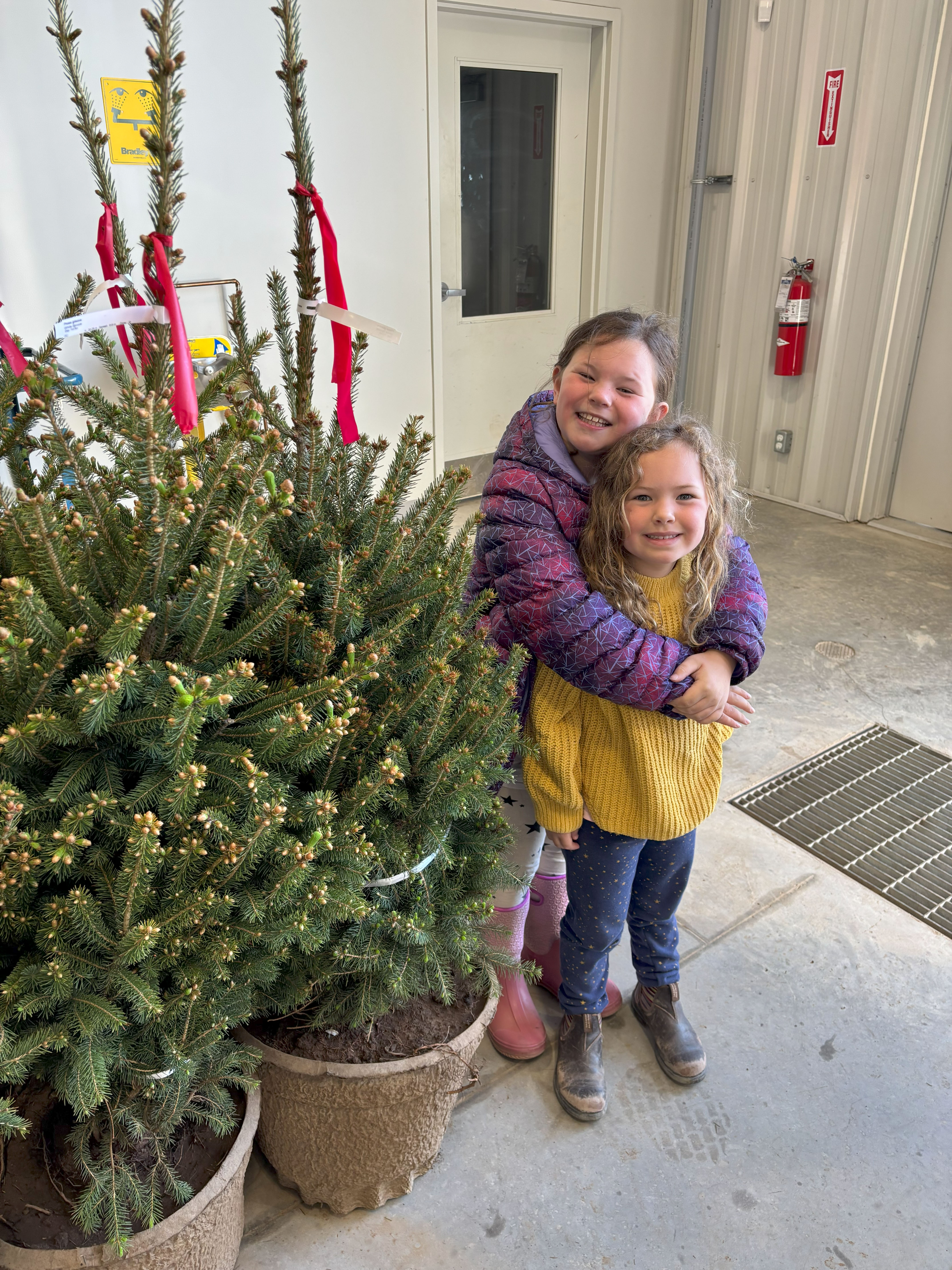
The white spruce (Picea glauca) is a versatile evergreen conifer native to Ontario, commonly found throughout the province, especially in northern regions and along the Arctic tree line. Typically reaching heights of 24 meters, it can surpass 30 meters under ideal conditions, with trunks up to 60 centimeters in diameter. Its bluish-green needles are about 2 centimeters long, featuring a whitish, powdery layer, while the grey-brown bark has a flaky texture. The tree produces light brown cones measuring 5 to 7 centimeters in length. White spruce thrives in various soil types and moisture levels, tolerates shade, and is sensitive to frost damage when young, necessitating planting in protected areas. Its wood is valuable for pulp and lumber, and the species is also cultivated as Christmas trees. Notably, white spruce can live between 250 and 350 years, with some documented cases reaching up to 1,000 years.
Size and Shape: Typically grows to 24 meters tall; can exceed 30 meters under ideal conditions. Trunk diameter up to 60 centimeters.
Growth Rate: Moderate to fast-growing, depending on conditions.
Foliage & Fall Color: Bluish-green needles, about 2 cm long, with a whitish, powdery layer.
Bark: Grey-brown with a flaky texture.
Flowers & Fruit: Produces light brown cones, 5 to 7 cm long.
Growing Conditions: Tolerates a range of moisture levels and soil types. Shade-tolerant but sensitive to frost damage when young.
Urban Suitability & Considerations: Hardy and adaptable, making it well-suited for urban and rural planting. Requires protection from frost in early growth stages.
Fun Fact: Can live between 250 and 350 years, with some trees reaching up to 1,000 years.
FAQ
Any additional questions can be directed to: Dan Hendry, Climate Action Coordinator
dhendry@loyalist.ca
The pilot program is limited to 250 trees, available on a first-come, first-served basis.
Who is eligible to participate?
To qualify, you must:
o Be a Loyalist Township resident
o Own the property where the tree will be planted
o Agree to plant and care for the tree
How do I register for the program?
Registration opens on March 25, 2026, at 12:00 p.m. (noon) and is available online only.
How do I know if I successfully registered?
Registrants will receive a confirmation email after successfully signing up and paying. If demand exceeds supply, you will be notified and have the option to join an email list for future initiatives.
Can I purchase more than one tree?
No, each household is limited to purchasing one tree.
How large are the trees at the time of pick up?
The size will vary depending on the species, but generally:
o Deciduous trees will be around 2 meters tall and 20-40 lbs.
o Coniferous trees will be about 0.5 meters tall and may weigh 40 lbs or more.
What if I cannot pick up my order during the set dates?
If you place an order, you must be available to pick up your tree during one of the designated pick-up dates. Specific dates and times will be emailed to participants at least two weeks in advance. Failure to collect your tree during the scheduled pick-up period will result in it being redistributed to another participant. No refunds will be issued for unclaimed trees.
All purchases made through the Community Tree Initiative are final and cannot be canceled.
Can I have a refund if my tree dies?
No, all tree purchases through the Community Tree Initiative are final, and refunds are not available. However, we are committed to supporting participants in successfully planting and caring for their trees. Upon receiving your tree, you will be provided with detailed planting and care instructions to give it the best chance of thriving.
Contact Us
Loyalist Township
Box 70, 263 Main Street
Odessa, Ontario K0H 2H0
Tel: 613-386-7351
info@loyalist.ca
Sign up to our Newsletter
Stay up to date on the Township's activities, events, programs and operations by subscribing to our eNewsletters.